
Post-Disaster Price Surges
How Renovation Costs Evolved After La Soufrière and Hurricane Beryl
Khyle Browne
12/4/20253 min read
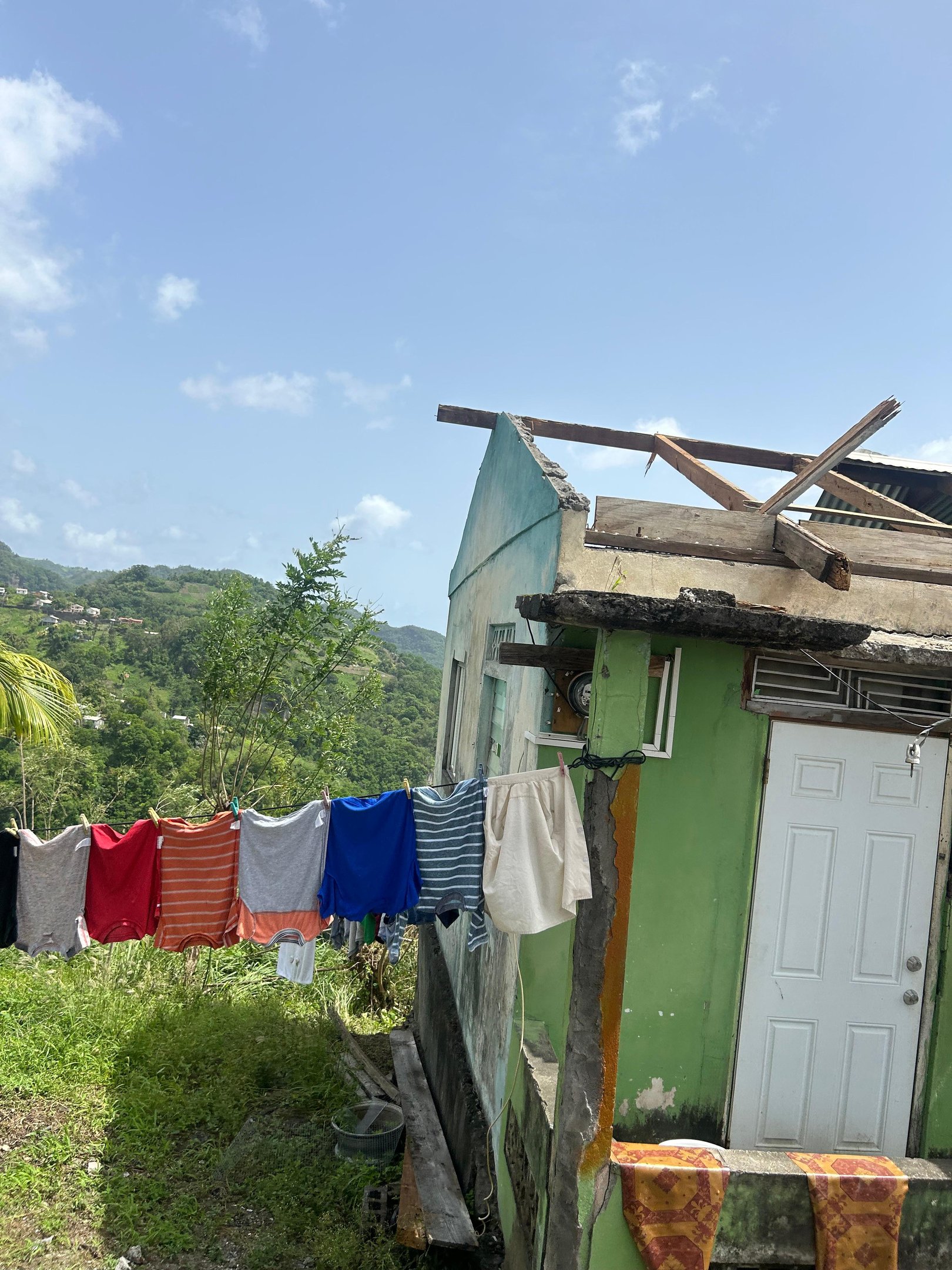
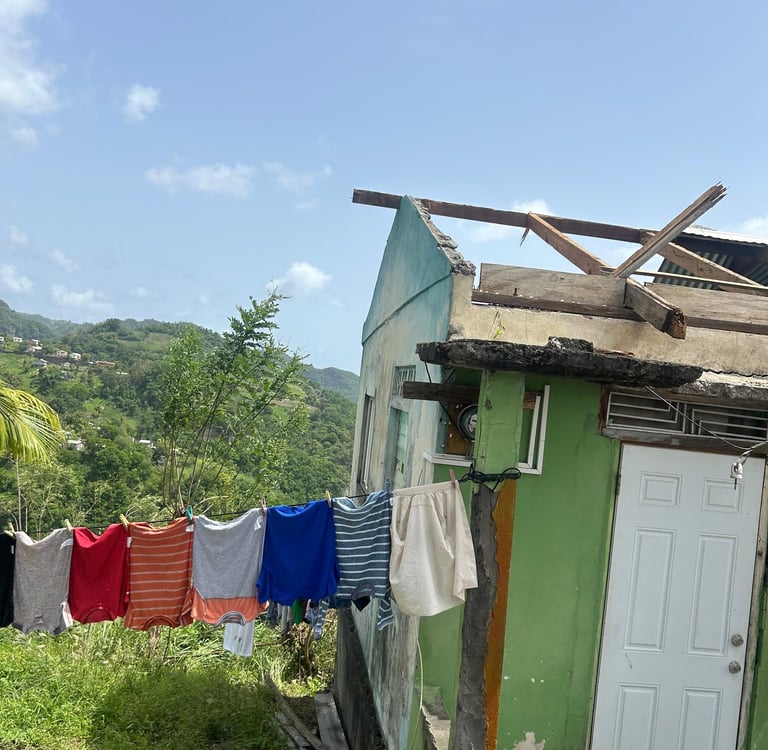
Saint Vincent and the Grenadines has endured two defining crises within a short span of time: the eruption of La Soufrière in 2021 and the passage of Hurricane Beryl in 2024. These events brought destruction, displacement, and deep uncertainty — yet they also forced the nation to rethink how it builds, budgets, and prepares for the future. What began as emergency recovery has now shaped the long-term evolution of the construction sector across the mainland and the Grenadines.
In the aftermath of the La Soufrière eruption, the northern half of the island faced extensive damage to homes, buildings, and infrastructure. As reconstruction began, the country was immediately confronted with a severe shortage of essential building materials. Cement, lumber, steel, and other key components became scarce, shipping delays lengthened procurement times, and rising freight charges drove material prices sharply upward. Labour availability also tightened as communities tried to rebuild simultaneously. Even after the market stabilised, construction costs never returned to pre-eruption levels. The volcano had set a new economic baseline — one that would shape the industry for years to come.
Just as the country adjusted to these new realities, Hurricane Beryl swept across the southern Grenadines in 2024, compounding the challenges. The hurricane severely damaged the housing stock on islands such as Canouan, Union Island, and Mayreau, creating a new wave of reconstruction demands. Building in the Grenadines is already more expensive because of transportation, accommodation, and logistics, and Beryl amplified these issues. Contractors faced difficulty transporting materials, securing storage, and housing workers. Shipping schedules became unpredictable, and the cost of moving resources between islands escalated. Although prices began to settle toward the end of 2024, affordability remained out of reach for many, as “stabilised” now meant stabilised at a significantly higher level.
Professionals working directly on reconstruction projects — including quantity surveyors, engineers, and project managers — noticed several emerging patterns across jobs. Rising costs were directly tied to shortages, which created inflation even for relatively small projects. Homeowners and developers increasingly opted for hurricane-resistant features such as reinforced roofs, stronger frames, and upgraded structural finishes. Energy efficiency entered mainstream building discussions, with solar power, natural ventilation strategies, and water-efficient systems becoming common priorities for new construction. Most notably, island logistics continued to have the strongest influence on cost, making development in the Grenadines considerably more expensive than the mainland.
A major shift in design philosophy also emerged in the post-Beryl environment. The government and private sector began exploring multi-level and multi-family housing, recognising that horizontal expansion was no longer practical for a mountainous country with limited flat land. Vertical development — including apartments, clustered housing, and multi-storey buildings — became a strategic response to both disaster displacement and long-term urban resilience. This approach reflects the dual realities of necessity and innovation. Saint Vincent must use its land more efficiently, but doing so also provides opportunities to strengthen community living, reduce infrastructure costs, and improve future disaster preparedness.
Throughout both disasters, one underlying vulnerability became painfully clear: many homeowners did not have insurance. Families affected by the eruption and the hurricane often relied solely on personal savings, loans, and limited government assistance. This slowed the reconstruction timeline and placed heavier demand on contractors and construction suppliers. Had insurance coverage been more widespread, the financial weight of rebuilding would have been more evenly shared and recovery could have advanced more quickly. Despite these lessons, insurance uptake across the country remains relatively low, leaving homeowners exposed to future risks.
By 2024 and into 2025, construction prices stopped rising at the rapid pace seen in the immediate post-disaster periods. However, they settled at a higher, more permanent level, influenced by labor costs, freight rates, energy prices, and global supply chain pressures. Contractors and homeowners adapted to this new environment by incorporating wider contingencies, demanding more transparency in budgeting, and focusing on long-term durability rather than short-term savings. The sector’s new normal is defined by heightened awareness, strategic planning, and a stronger commitment to resilience.
The combined experiences of La Soufrière and Hurricane Beryl have reshaped construction practices across Saint Vincent and the Grenadines. These events pushed the industry to embrace vertical development, strengthen building standards, adopt energy-efficient systems, and recognise the essential role of financial protection through home insurance. While the disasters brought hardship, they also accelerated innovation and encouraged smarter land use and better planning.
Looking forward, rebuilding is no longer just about replacing what was lost. It is about building stronger, safer, and more sustainably. The lessons of the past few years continue to drive the transformation of the construction sector, and as the country embraces these new approaches, Saint Vincent and the Grenadines is laying the foundation for a more secure and resilient future.
References
Office of the Prime Minister (2024). Relief, Recovery, Reconstruction — Hurricane Beryl Update.
ACAPS (2024). Impact of Hurricane Beryl on Saint Vincent and the Grenadines.
Searchlight Newspaper (2022). Building Material Imported to Repair Volcano-Damaged Houses.
BCQS (2024). Caribbean Construction Cost Market Trends Report.
Government of Saint Vincent & the Grenadines / World Bank (2024). Hurricane Beryl GRADE Damage Report.